Yesterday, I wrote about Mental Health Tech and how it reduces barriers to getting help before burnout happens, and why it made my positive tech predictions for 2026.
Today - For Feel Good Friday - I thought I would share some of the 'tech' that I use to help me stay on top of how I am doing mentally before it gets away from me.
Caveat: None of this is revolutionary on its own, and none of it replaces professional care or real conversations. But together, these tools help me check in with myself, reduce mental clutter, and catch stress before it turns into burnout.
This is also very personal. What works for me may not work for someone else, and that’s okay. The goal isn’t to use everything. It’s to find the few tools that fit naturally into your day and quietly support how you operate. These are the ones I keep coming back to.
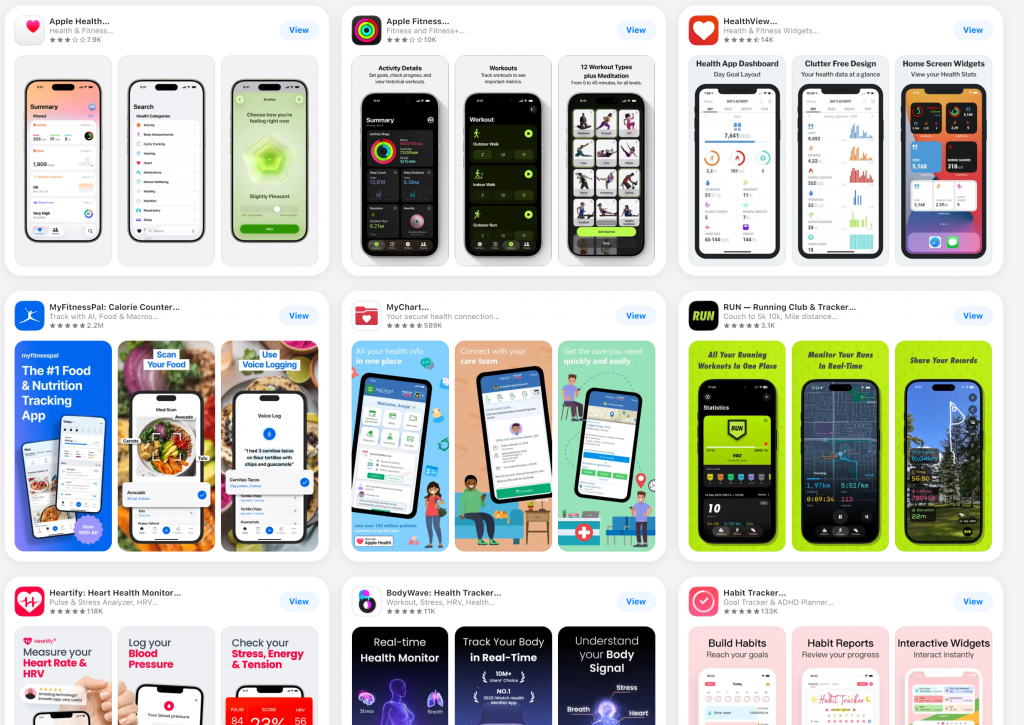
1. Apple Health
What it does:
Apple Health acts as a central hub for my physical and mental health data. It pulls in information from my watch, apps, and other health sources so I can see patterns over time. Sleep, heart rate, activity, mindfulness minutes, and more all live in one place.
Why it helps:
It gives me context. Instead of guessing why I feel off, I can often see trends that explain it.
Where to find it:
Built into iPhone
https://www.apple.com/ios/health/
2. Apple Fitness
What it does:
Tracks movement, workouts, and activity rings, and offers guided workouts and mindful cooldowns.
Why it helps:
It encourages movement without guilt. Some days that’s a workout, some days it’s just closing my rings.
Where to find it:
Built into iPhone / Apple Watch
https://www.apple.com/apple-fitness-plus/
3. AutoSleep
What it does:
Tracks sleep quality and patterns automatically using Apple Watch, without needing to manually start or stop anything.
Why it helps:
Sleep is usually the first thing to suffer when stress ramps up. AutoSleep helps me notice when rest has been off for several days in a row.
Where to find it:
https://apps.apple.com/us/app/autosleep-track-sleep-on-watch/id1164801111
4. Stress Monitor
What it does:
Uses heart rate variability data to estimate stress levels over time.
Why it helps:
It’s a helpful signal when my body is under more strain than my brain wants to admit.
Where to find it:
https://apps.apple.com/us/app/stress-monitor-for-watch/id1528483041
5. Heart Analyzer
What it does:
Provides deeper insight into heart rate data and trends pulled from Apple Health.
Why it helps:
Seeing spikes and patterns helps me connect physical signals to workload, sleep, and stress.
Where to find it:
https://apps.apple.com/us/app/heart-analyzer-cardiogram/id1006420410
6. Impulse
What it does:
Offers short, focused activities designed to help quiet the mind and reset attention.
Why it helps:
When my brain won’t slow down, this gives me something structured and gentle to focus on for a few minutes.
Where to find it:
https://apps.apple.com/us/app/impulse-brain-training/id1451295827
7. Medical Portal App
What it does:
Gives access to healthcare providers, teledoc, and regular appointments, lab results, and wellness programs through insurance.
Why it helps:
Removing friction matters. When healthcare is easier to access, I’m more likely to use it.
Where to find it:
Varies by provider and insurance plan
8. OneNote
What it does:
A simple place to dump tasks, ideas, and notes.
Why it helps:
Mental clutter is real. Writing things down gets them out of my head so I can focus.
Where to find it:
https://www.microsoft.com/en-us/microsoft-365/onenote/digital-note-taking-app
A Final Thought
I share this not as a checklist, but as an example. Embedded mental health support doesn’t have to be complicated or dramatic. Sometimes it’s just having a few quiet tools that help you notice patterns, slow down when needed, and support better decisions throughout the day.
If even one of these helps someone feel a little more balanced, then it feels like a good way to spend a Feel Good Friday.